 The African Thrillist
Lamu Old Town
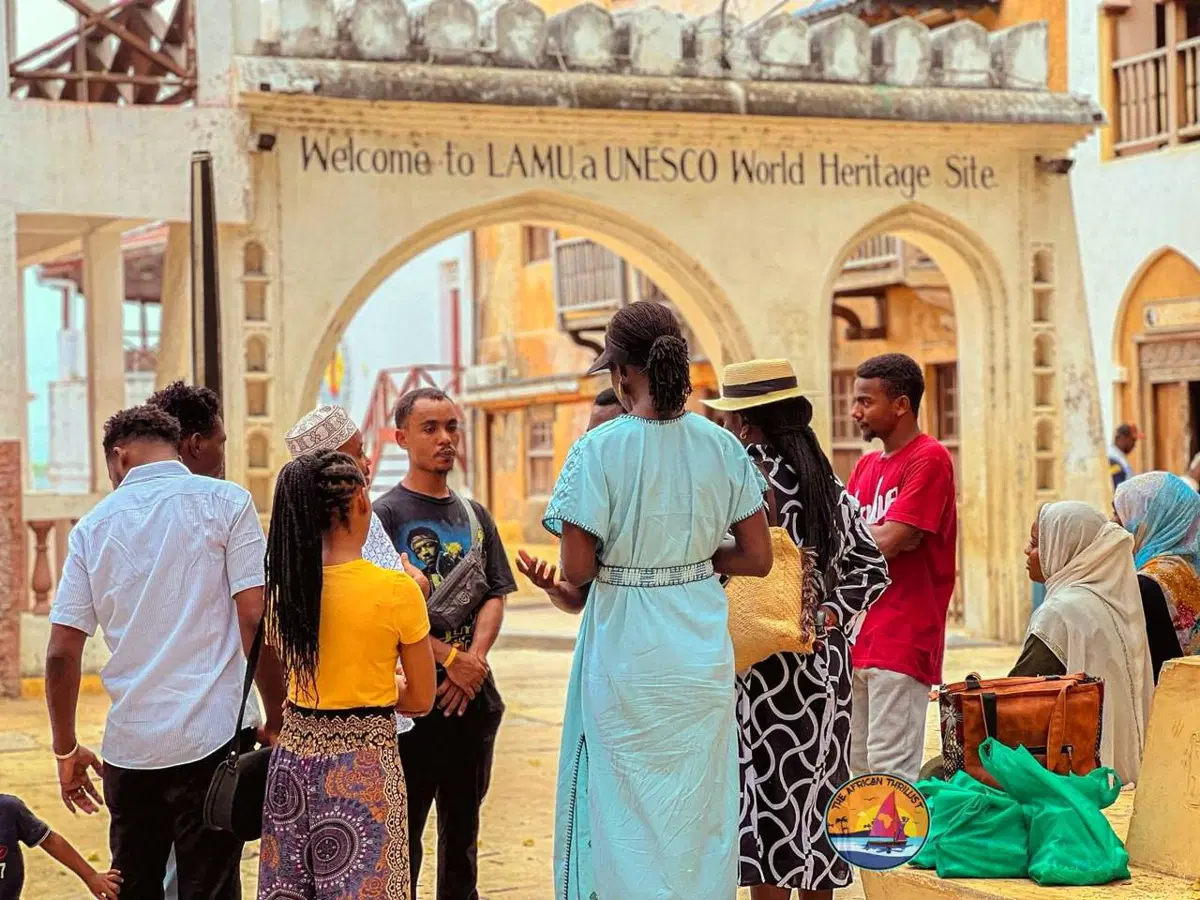
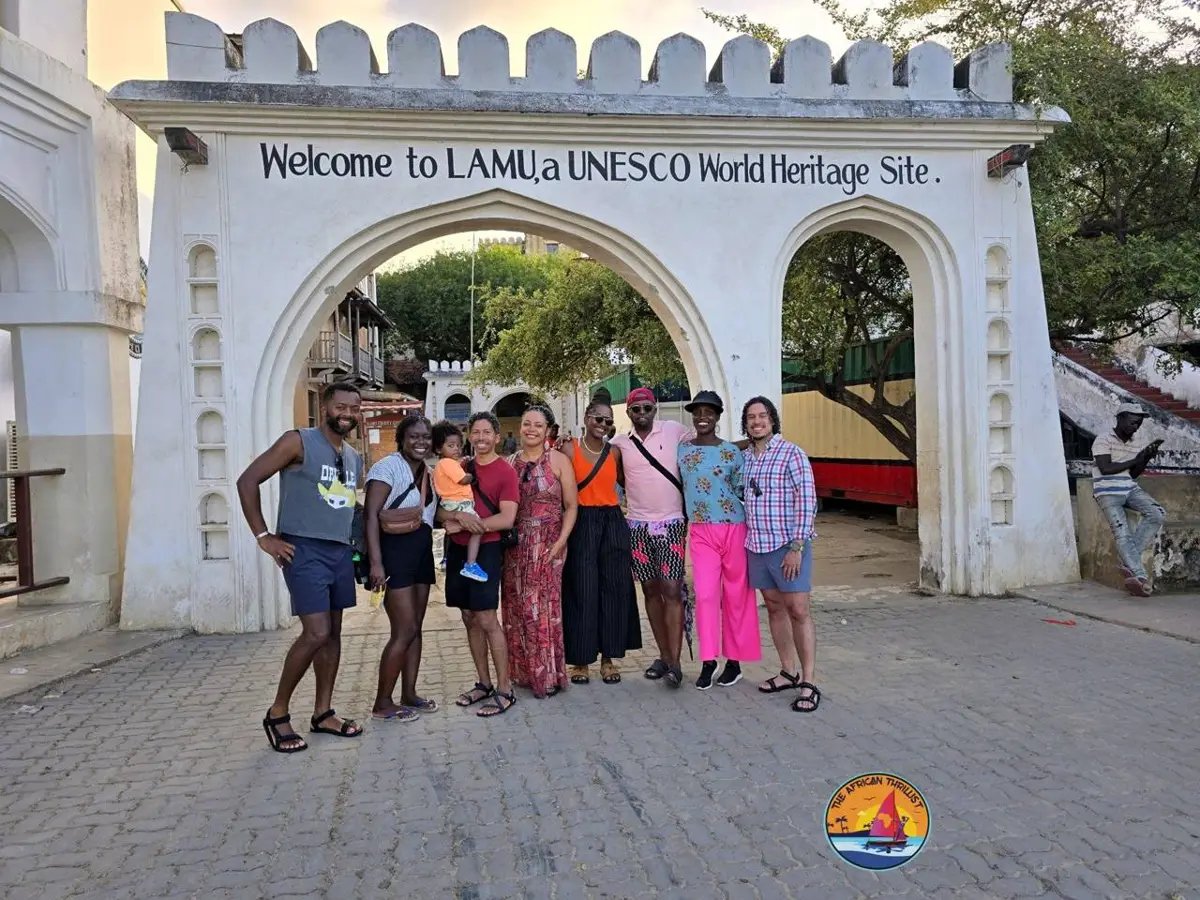
A UNESCO World Heritage Site and the oldest living Swahili town in East Africa. Narrow coral stone streets, carved wooden doors, donkeys, markets and a seafront that comes alive in the evening.
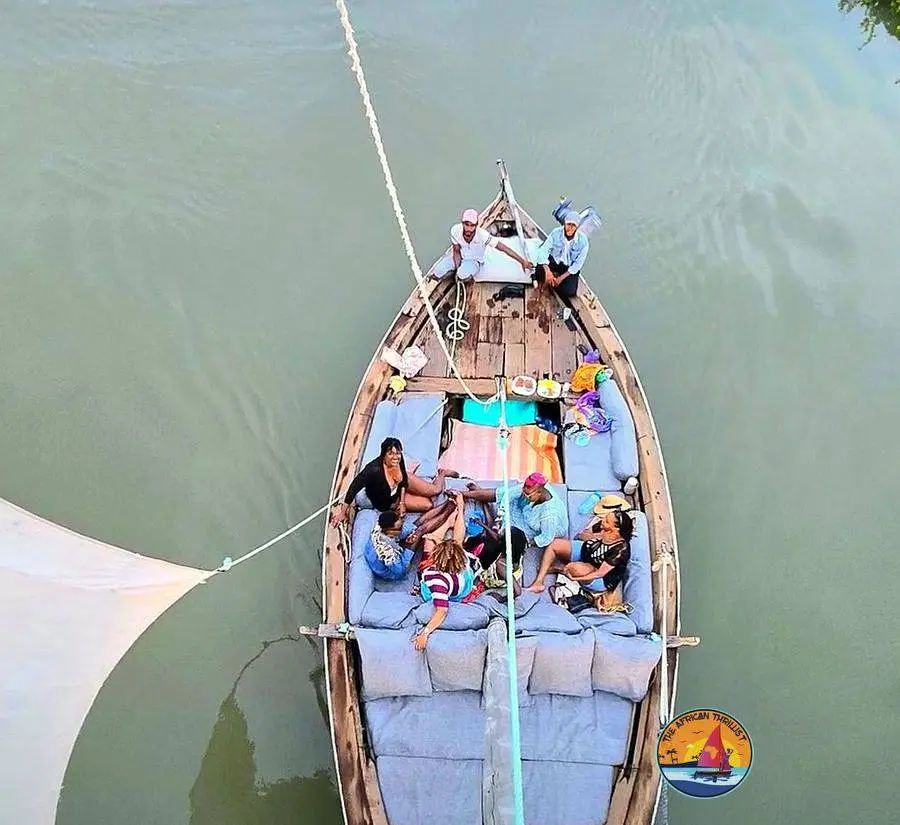
No cars, just donkeys, dhows and coral stone streets. Lamu is where I live, and the island I know inside out.
A UNESCO World Heritage Site and the oldest living Swahili town in East Africa. Narrow coral stone streets, carved wooden doors, donkeys, markets and a seafront that comes alive in the evening.
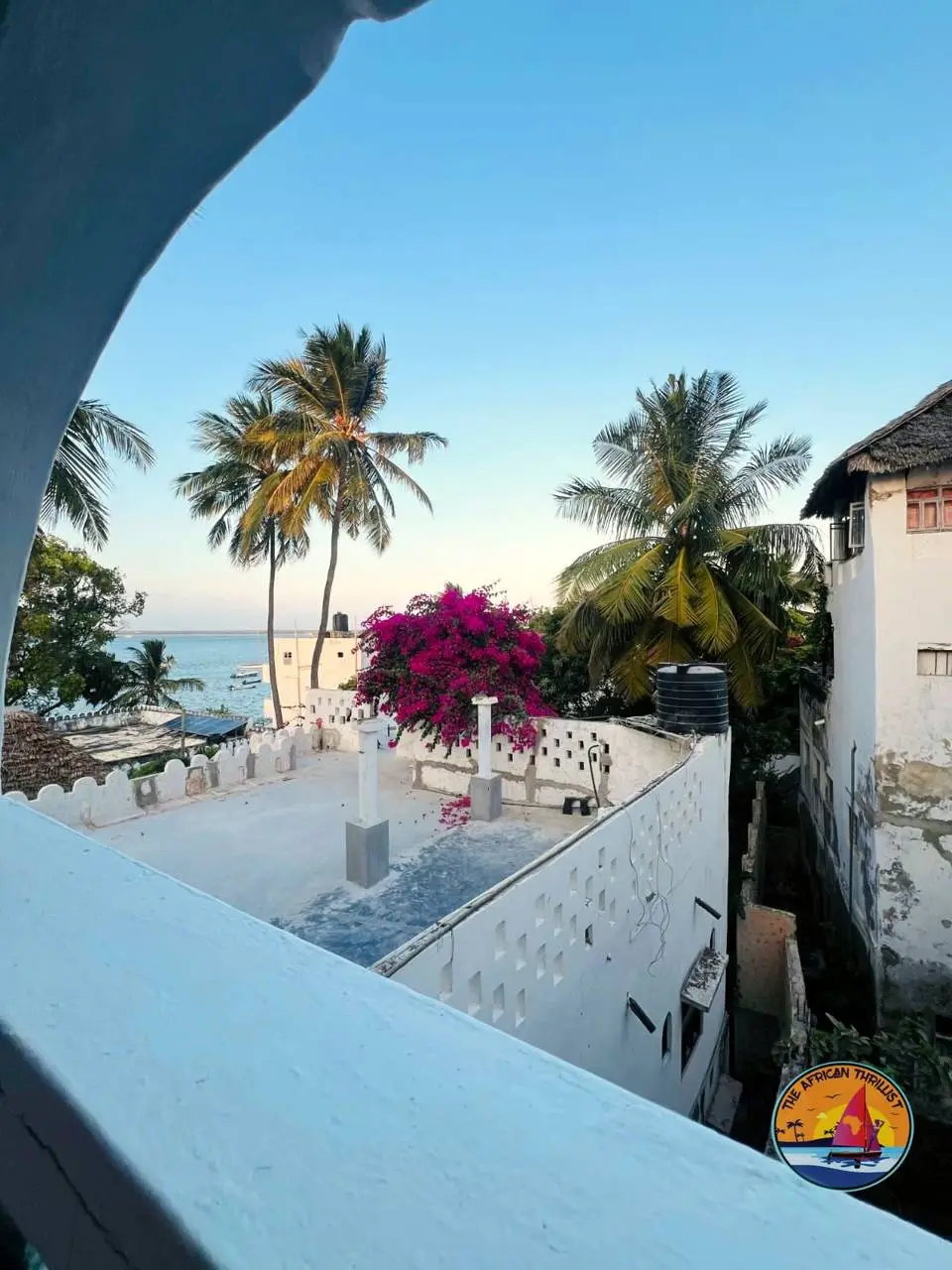
The village where most of my guests stay. Swahili cafes on the little square, a long empty beach, and the island's most famous sundowner spot. Our shop is here too.

Five minutes by boat from Shela. Barefoot beach dinners, fish grilled on the sand and the best sunset view back over Shela.
A small island with a reef that's made for snorkelling. A full day out by dhow, with sandbanks and lunch on board.
A village on the far side of Lamu Island where dhows are still built by hand on the beach, the way they have been for centuries.
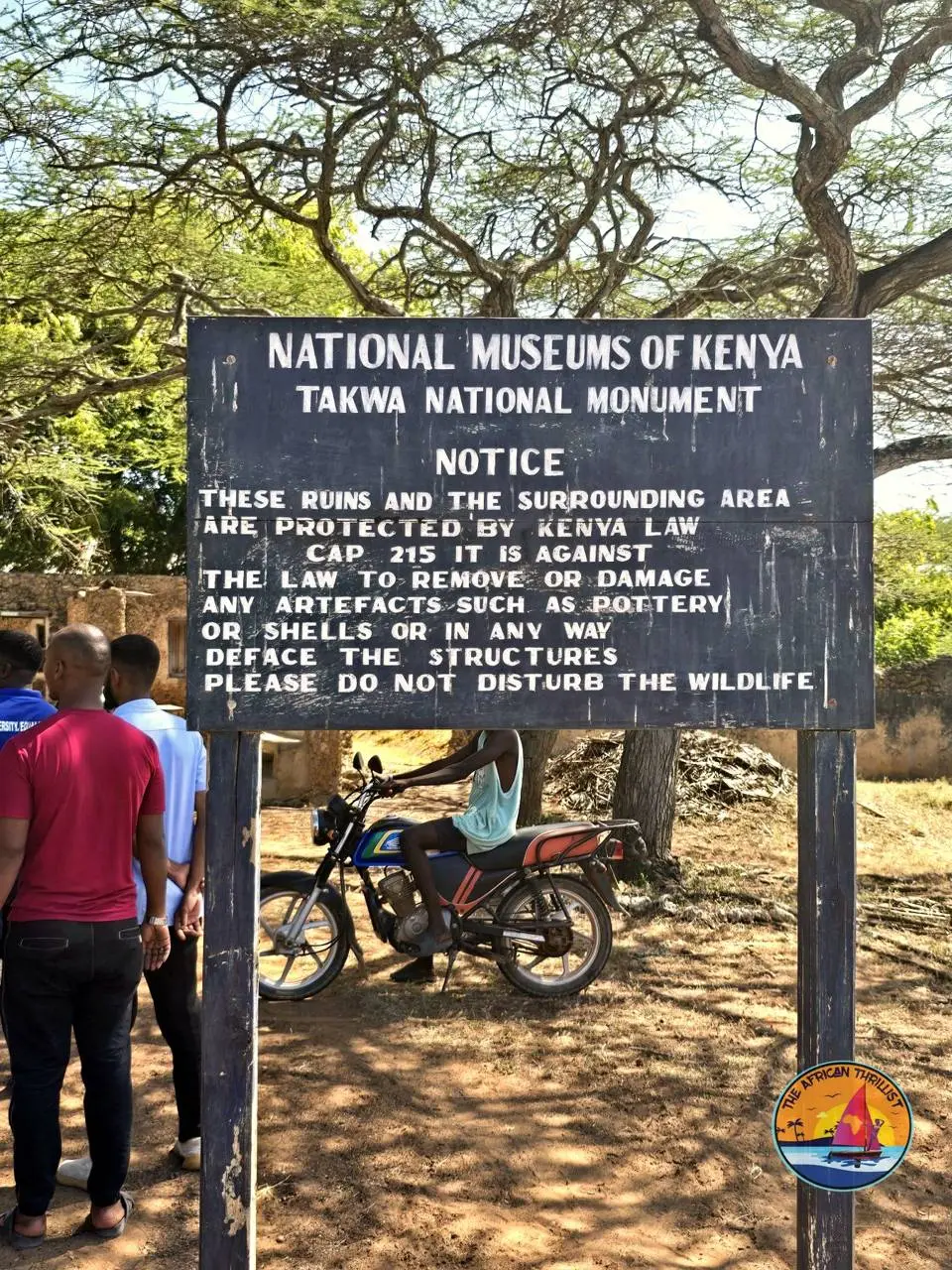
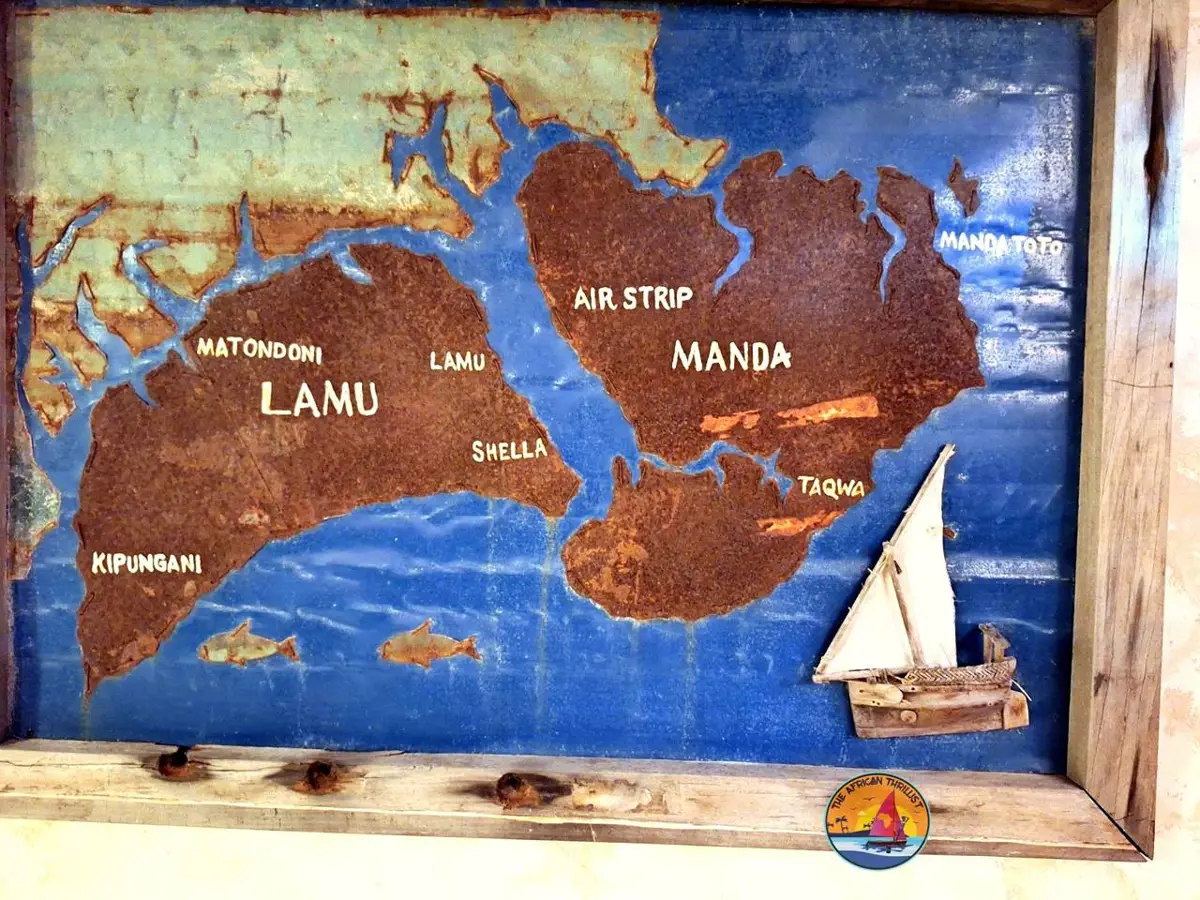
The wider archipelago: ruins, Swahili villages, quiet beaches and the Kiunga Marine Reserve. Day trips or slow overnight sails.
Swahili history lives in the doors, the mosques and the fort, and in how people greet each other in the street.
Coconut, spice, tamarind and fish straight off the boat. See Lamu Tamu Eats for where I eat.
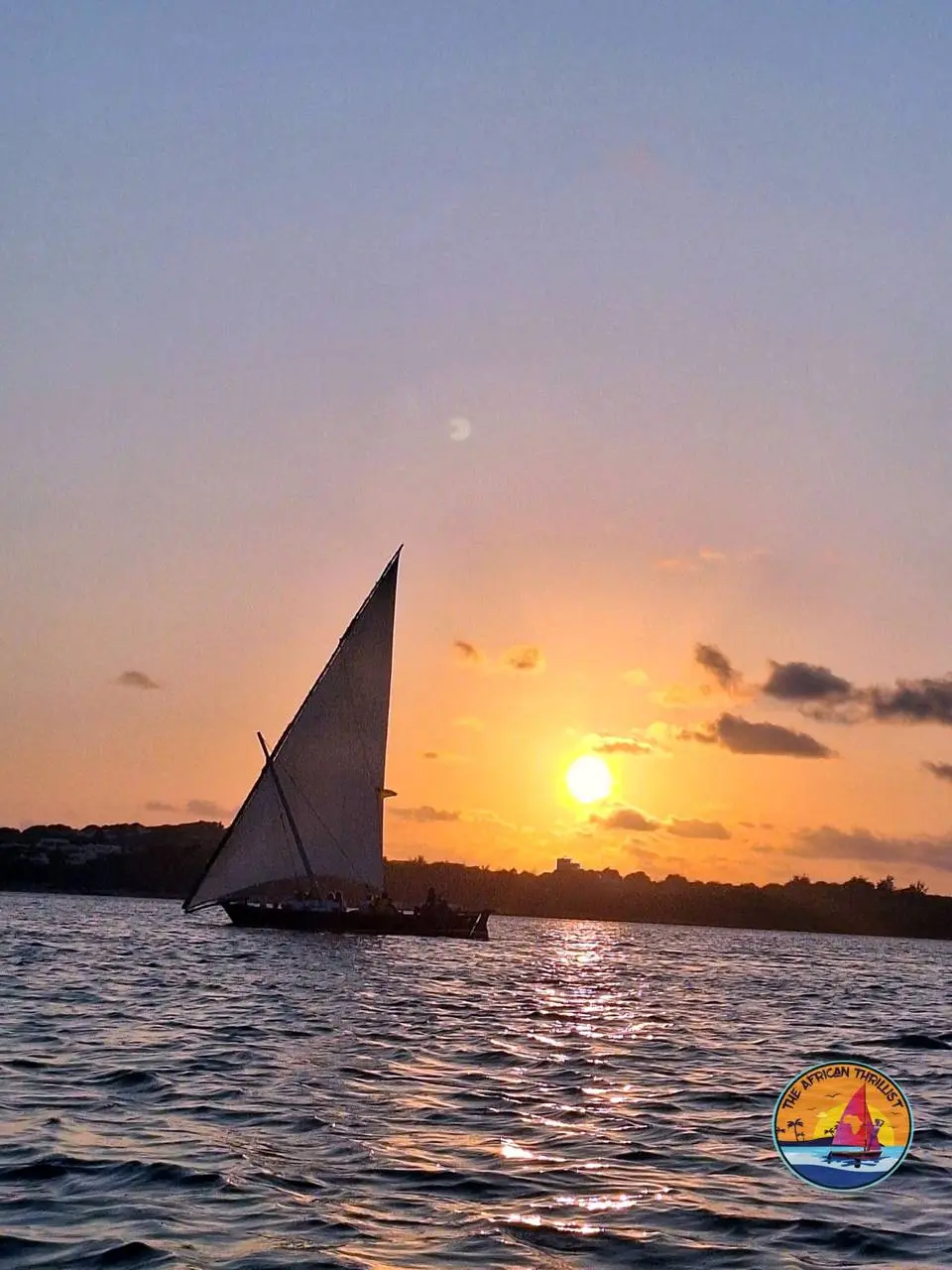
Everything moves by water here. A dhow is how you get around, and how you end most days.
Turtle nesting beaches, mangroves, reefs, and experiences run by the people who live here, so your money stays on the island.
Fly into Manda Airport, then a short boat ride to Shela or Old Town. I arrange your transfers. More
Lamu is a conservative Muslim island. Cover shoulders and knees in Old Town and the villages. Swimwear stays at the beach.
Carry some cash. Many local cafes don't take cards. M-Pesa works in most places.
Tell me your dates, your people and what you love. I'll design the rest and reply personally.